Mesa has its own rhythm. Anyone who has moved a household here learns that quickly, usually on a hot afternoon with a box slipping in sweaty hands while the monsoon builds over the Superstition Mountains. Local residential moving in Mesa is straightforward if you match your plan to the realities on the ground: heat that punishes poor timing, HOAs that care about truck placement, routes that clog near schools, and homes that range from 1950s ranches with tight hallways to new builds with wide, echoing stairwells. What follows is a practical checklist built from lived experience, the kind movers and homeowners actually use on moving day.
Why timing matters more in Mesa than you think
Summer afternoons feel like opening an oven door. A noon start in July leads to tired crews, softened plastic bins, and extra trips for water. Morning moves conserve energy and protect your belongings, especially candles, musical instruments, and anything in a non-climate-controlled garage. The other timing trap is school pickup. Baseline and Country Club, Val Vista, and Power Road all see sharp slowdowns around 7 to 9 a.m. and 2 to 4 p.m. If your route crosses a school zone, shifting your start by 45 minutes can save an hour of idle time with a loaded truck.
The third timing variable is HOA rules. Some communities limit large vehicles in common areas or require advance notice to prop elevator doors. A quick call to the property manager five days ahead avoids tense conversations while you are juggling boxes. I have seen a move stall because a guard gate did not have the truck’s plate number pre-registered. Ten minutes of planning keeps tempers cool.
Room-by-room packing that actually stands up to a Mesa move
For local residential moving, people sometimes pack as if they are just going across town. They cut corners with loose lids and overstuffed bags. The truth is, short distances still punish weak packing, because turns, heat, and vibration do the same damage within five miles as they do within fifty.
Start with fragile kitchens. Use small, double-walled boxes for dishes. Wrap stemware individually, then slot them vertically like files, not stacked. For slow cookers and air fryers, pull the baskets and lids, wrap separately, and tape components to the appliance body so parts do not rattle free on Val Vista’s expansion joints. In Mesa’s heat, don’t load candles, chocolate, or adhesive-backed items until the last minute. Temperatures inside a truck can exceed 120 degrees, even in spring.
For bedrooms, the trick is to keep drawers practical. You can leave clothes inside dresser drawers if the structure is solid and the stairs are wide. Otherwise, remove drawers to reduce weight, carry the frame separately, then reinsert. Mattresses need full encasements, not just bags, if you want them to arrive clean after a ride down dusty access roads. Upholstered headboards also deserve shrink wrap plus moving blankets, since wind-driven grit can pit fabric even on a short move.
Garages and sheds demand realism. Do not load propane tanks, open paint cans, or solvents onto a truck. Hardware stores in Mesa will take old paint, or you can cure it with cat litter before disposal. Box your fasteners, label them by room, then rubber band door hinges and screws to their respective doors in a zip-top bag with a note. Nothing slows a move like hunting for the one screw that holds a crib rail.
The two-week-out checklist that prevents panic
- Call your HOA or property manager to confirm parking, elevator holds, and any move fees. Book utilities: schedule stop and start dates for power, water, gas, internet. In Mesa, lead times for internet vary. Plan for a 2 to 5 day window. Create a labeled “day one” kit: meds, chargers, a basic tool set, shower supplies, pet food, spare clothes. Photograph your electronics’ cable setups before disassembly. Confirm parking for the truck near your door. Measure gate widths if you live in a cul-de-sac or townhome community.
This list looks simple, but these five items account for most avoidable delays. Photos tame home theater reassembly. A tool kit stops the hunt for a 5 mm hex key that somehow vanished. Utility scheduling ensures you are not unpacking in the dark.
Mesa-specific obstacles and how to sidestep them
Older Mesa neighborhoods near downtown have charming mature trees. They also have low-hanging branches that can scrape a tall box truck. Walk the curbside path from where the truck will park to your front door and note any constrictions. If the truck cannot nose up to your driveway, plan for a longer carry, which adds time. Townhome complexes often have narrow loops that are fine for cars, tough for trucks. The workaround is a smaller shuttle truck, or a longer walk using dollies. Either way, budget an extra hour.
Monsoon season adds an odd twist. Dust walls can roll in fast, turning a sunny move into a grit storm. Keep plastic wrap and blankets ready to cocoon upholstered furniture if the sky goes brown. Rain bursts can flood intersections like Alma School and Southern for twenty minutes, then drain. If your movers are timing it right, they will pause the load or run covered items first to minimize exposure.
Finally, Mesa floors vary. Travertine, saltillo tile, polished concrete, and luxury vinyl plank all react badly to grit. Use ram board or moving pads to create paths. It is not just about avoiding scratches, though those matter. It is about traction, because fine dust on tile is like ball bearings under work boots when carrying a sleeper sofa.
How to choose among residential moving companies without regret
Local residential moving sounds like a commodity, but service levels diverge quickly. When you compare residential moving companies, skip generic promises and focus on four practical checks: staffing, equipment, process, and fit.
Staffing is about who shows up at your door. Ask if the crew will be W-2 employees or day labor pulled from a board. Consistent teams move like a well-practiced kitchen line. They communicate quickly, they know the right lift for awkward furniture, and they stay calmer when a plan shifts.
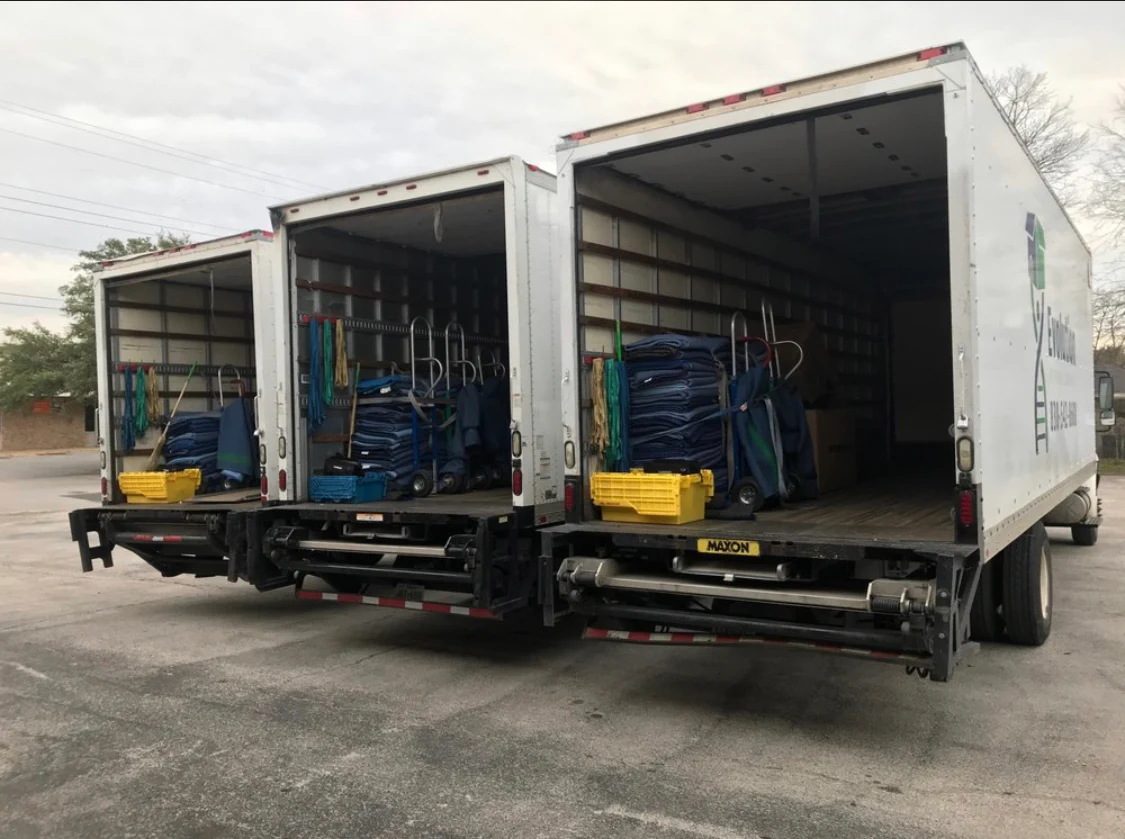
Equipment tells you how seriously a company takes protection. Look for full sets of quilted blankets, clean shrink wrap, ratchet straps, forearm lifting straps, and a supply of floor protection. A firm that skimps on blankets will try to stack bare wood against bare wood, which rubs finish off even on a short trip down the 60.

Process reveals whether they have thought through the Mesa realities. Do they call HOAs? Do they stage items by room to reduce unload time? Do they carry water and shade canopies for summer afternoons? Do they build bed frames and test them before leaving?
Fit matters more than price once you are within a reasonable range. A team that specializes in local residential moving in Mesa knows the layouts, traffic rhythms, and quirks like where to park near downtown bungalows without blocking alleys. That local knowledge saves an hour here, an hour there.
Loading like a pro: balance, sequence, and protection
A truck is a physics problem. Weight needs to sit low and forward, with heavy items like bookcases and appliances against the headboard. Softer furniture rides up top, protected and strapped so it cannot sway. Disassembled table legs get taped together and bagged hardware gets taped to the underside of the table. Rugs are rolled, taped, and bagged to keep grit off clean floors at the new place.
Sequence matters. Load rooms that unload furthest from the door first, so you do not create a wall of bulky items that blocks reach-in access. If your new place has a tight turn into the master bedroom, bring that bed frame early, before the path narrows with boxes. Think of it like Tetris, but with the end goal of reducing carry distance and staircase congestion.
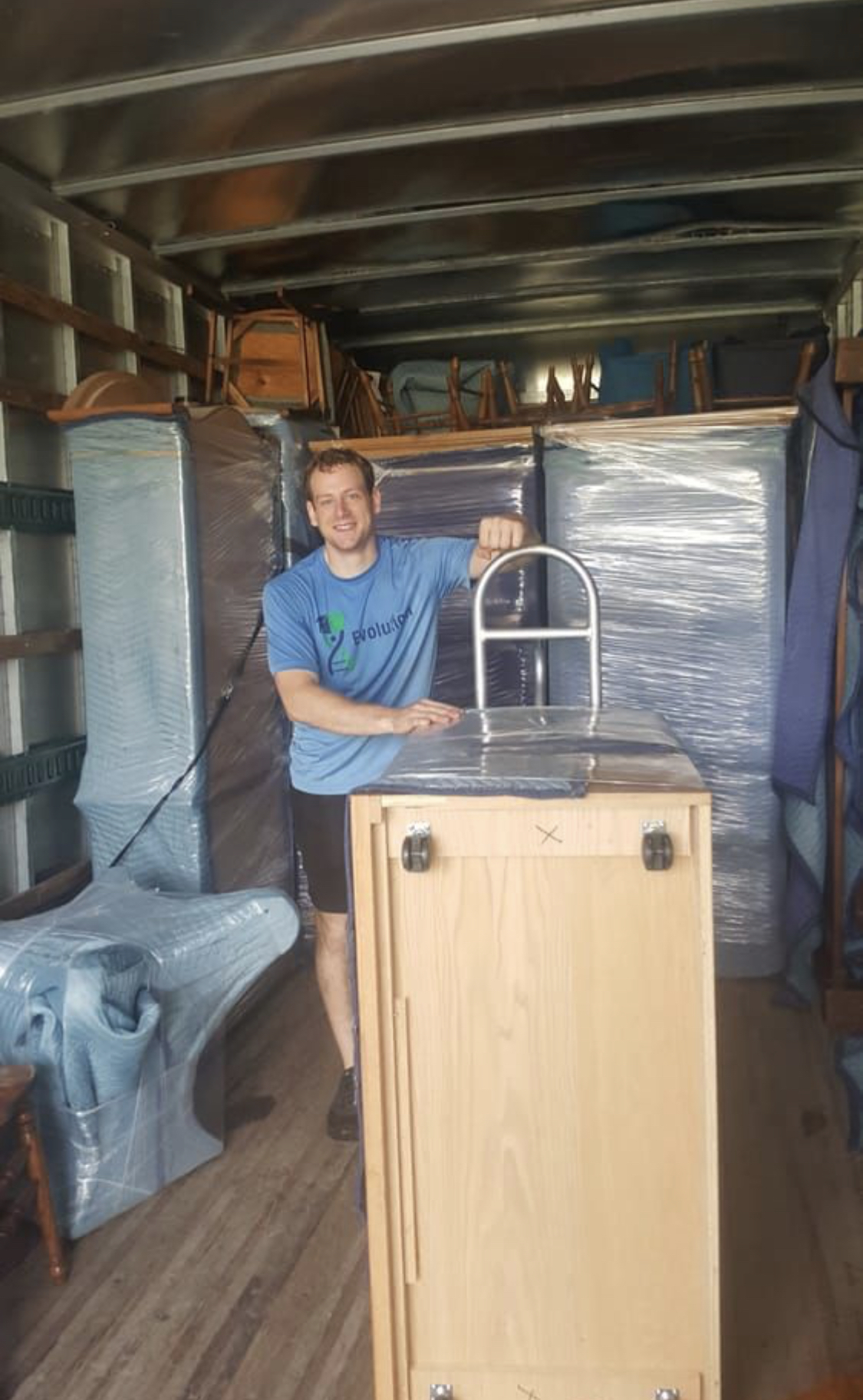
Protection is layered. Shrink wrap locks drawers, blankets cushion edges, then straps lock the bundle to the wall slats. Taping blanket folds to themselves prevents flapping that can leave scuffs. Do not tape directly to finished wood or leather. A five-minute wrap job saves a re-finish down the line.
When a professional eye saves the day: a Mesa story
A family near Red Mountain scheduled a weekend move with a straightforward plan. Boxes were solid, furniture disassembled, HOA notified. Two hours in, a surprise: the new home’s front door had a side lite panel that reduced clearance by an inch, and the couch was a high-armed sectional. Instead of grinding it through and risking the frame, the crew popped the door from its hinges and shifted the handle to gain the necessary degrees of freedom. Total fix time was 12 minutes. Without that adjustment, they would have been hoisting over a back fence and carrying through gravel.
Local residential moving rarely hinges on brute strength. It hinges on the small decisions a crew can make because they have worked in Mesa homes for years. Identifying a removable banister, catching a sprinkler head before a truck tire clips it, staging the washer drain before connecting hoses to prevent a flood, these are the calm little interventions that keep a day uneventful.
Working with Homelove Movers - AZ: what the process feels like
Homelove Movers - AZ builds moves around predictable beats. A coordinator confirms parking, HOA rules, and timing, then sets a window that avoids school traffic and extreme heat as much as possible. On moving day, the lead walks the home, flags fragile zones like glass stair rails or tight tile thresholds, and outlines the load order. The crew stages a padded pathway from door to truck, then builds a rhythm: two loading heavy items, one staging boxes, one wrapping furniture in a continuous loop.
There is an emphasis on packing oddities the right way. A baby grand piano gets a board, four hands, and a clear swing plan. A three-piece sectional is broken into manageable chunks, wrapped, and clipped. A mirror from an antique dresser is separated from the frame and boxed upright. In Mesa, where garages sit hot even in spring, Homelove Movers - AZ will keep heat-sensitive items off the truck until the last possible moment to cut exposure.
The checklist for move week: the small tasks that change everything
- Empty, defrost, and wipe the refrigerator two days before the move. Pack ice packs in a cooler for perishables if you are moving across town midday. Unhook TV mounts and fill anchor holes. Label remotes by room with painter’s tape. Set aside a valuables box for passports, checkbooks, heirlooms, and put it in your car. Create a small parts bin: bag and label screws, brackets, shelf pins, and Allen keys. Water plants the day before, not the morning of, to prevent soggy pots that drip through blankets.
Again, none of these are glamorous, but each item can stall progress for 20 minutes if left to chance. A parts bin alone can shave an hour off the reassembly at the new house by preventing a hunt through packing paper.
Moving with pets and kids without the meltdown
For families, the emotional logistics matter as much as the physical. Pets often panic at the sight of boxes and strangers. A quiet room with a closed door, water, and a familiar blanket keeps them contained and calm. Update microchip information with the new address, because doors stay open during a move and even steady pets can bolt when a dolly clatters.
Kids handle change better when they hold a piece of control. Let them pack one box labeled with their name in bright marker, filled with a few favorite toys and books. That box gets loaded last and comes off first at the new home, so they have something familiar while the rest of the house shifts. If you can stage one bedroom to completion early, even if the kitchen is still a maze of boxes, everyone sleeps better.
What happens at the new home: a smooth Mesa unload
Good unloads start with a quick walk-through. Identify which room names match which doors. Tape paper labels at eye level: “Primary,” “Office,” “Kids Room,” “Patio.” If you are in a two-story home, decide whether box weight follows the room or stays downstairs for sorting. It is easier to haul three light trips upstairs than one massive box that strains a stair banister. Keep the door latch taped back with painter’s tape or a doorstop so crews move freely.
Appliances in Mesa get special attention. Laundry rooms sometimes share space with interior water heaters. When connecting washers, check that the drain hose is secure and that cold and hot are correct at the valve. Turn on water supply slowly while watching the connection points to catch any drips. For fridges with water lines, flush the filter after connection to clear air and sediment before making ice.
Beds deserve priority. Building frames and laying mattresses establish a base camp for the first night. Sofas and TV setups can wait until boxes find their corners. A trash corner with flattened boxes keeps walkways clear. With a full crew and good staging, a https://www.homelovemovers.com/arizona/mesa/ typical three-bedroom home’s unload takes three to five hours, depending on stairs, distance from truck to door, and how thoroughly the previous house was labeled.
A second brand perspective: where Homelove Movers - AZ sees homeowners save time
Homelove Movers - AZ crews notice the same patterns again and again. The fastest unloads come from homes that packed with the new space in mind. When boxes say not just “kitchen,” but “kitchen - lower left of sink” or “pantry - baking,” the team can stage with precision. Furniture blankets are removed only after items are in their final room, which prevents scuffs on doorways. Floor protection goes down first. With those habits, a 1,600-square-foot single-story move consistently clocks in at the low end of the time estimate.
There is also a subtle trick for apartments with elevators. Reserve the elevator and use a door prop to avoid repeated badge taps. Ask the property team for “elevator pads,” those quilted panels that protect walls from corners. Without protection, you risk a building fee for scuffs that wipe away with a damp cloth but look alarming at first glance. Pro crews carry their own pads and do not rely on the building to have them.
Budgeting without surprise: what drives time on a local move
Local residential moving is usually billed by the hour, with a travel fee. The big drivers of time are stairs, long carries, disassembly and reassembly, and how tightly items are packed and labeled. If the truck can park 20 feet from your door and your home is a single story with clear paths, you will come out ahead even with the same amount of stuff. If your condo requires a 200-foot hallway walk, double elevator trips, and a garage with a low clearance that forces a smaller truck, time expands.
Special items change the equation. Safes, pianos, pool tables, and large aquariums each add planning, equipment, and sometimes extra staffing. Be honest and specific with any residential moving company during the estimate. With clear information, the team can arrive with the right dollies, boards, and muscle, and you will not lose an hour improvising.
The post-move reset: how to finish strong
Day one should end with beds made, a functional bathroom, and a working kitchen triangle: fridge, stove, and a cleared prep area. Even if everything else waits, cooking a simple meal signals normalcy. Break down boxes daily to keep your space from shrinking under cardboard. Mesa’s bulk trash schedule rotates by zone, and transfer stations accept flattened cardboard if you do not want to wait. Consider donating extra packing paper to a neighbor through a community group. Supplies move through the neighborhood like a lending library when you ask.
Check for micro-damage while you still have momentum. A nick in a dresser corner is easier to touch up on a pad before the room crowds. Make a list of small repairs and chip away each evening. Label a bin for leftover hardware and tools so you can always find a stud finder and a level for wall art.
Mesa move-day safety: heat, hydration, and pacing
The desert is beautiful and indifferent. Even in spring, heat can creep into the nineties mid-day. Hydration is not optional. Plan water for every person on site. Salt snacks help retain fluid when you are sweating. Schedule breaks before you need them, in shade if possible. Work gloves add grip when palms get slick. Sunglasses do more than protect eyes, they reduce squinting fatigue that leads to sloppy footwork on steps.
Lift with pace, not haste. The fastest crews do not sprint. They take small steps, keep loads close to the body, and communicate constantly around corners. A slow-going upright freezer that arrives without a dent saves far more time than a hurried drop that leads to an hour of stop-and-fix. Mesa floors and thresholds vary, so call out surface changes. A single “threshold” warning said at the right time prevents a toe-stub while carrying a hutch.
When you should absolutely hire out packing
Packing is where homeowners underestimate effort. If you have a tight timeline, a complex kitchen, or a garage full of mixed items, a half-day of pro packing pays for itself in reduced chaos. Pros bring uniform boxes that stack neatly, which means the truck loads and unloads faster. They pack with an eye for compression, so delicate items do not collapse under weight. If you handle your own packing, buy more paper than you think you need. Bubble wrap is for big voids. Paper is for the small, pressure-distributing wraps that keep plates and bowls intact.
A middle path works well for many Mesa families: pack bedrooms and clothes yourself over a week of evenings, then bring in a crew for a focused four-hour kitchen and garage session the day before the move. The result is a calm move day with fewer unknowns.
The neighborhood handoff: small courtesies that pay dividends
Mesa neighborhoods are tight-knit. Keep driveways clear for neighbors during the load and unload. A quick note on a community board the day before, sharing your move window, gets goodwill and fewer cars parked right where the truck needs to be. Sweep the curb after the truck pulls away, especially if you used ram board or cut tape outside. That five-minute cleanup leaves the block better than you found it and keeps stray staples out of bike tires.
If you are leaving a home with irrigation timers, write a simple note for the new owners about the schedule and any quirks. It is not strictly a moving task, but it finishes the chapter well and prevents flooded yards or crispy lawns.
Bringing it all together for a Mesa-ready move
A Mesa move succeeds when you respect the variables: heat, timing, parking, floor surfaces, and the human side of change. Pack with the destination in mind, stage your day around traffic and sun, protect floors and furniture like the desert will test them, and keep people fed and hydrated. Choose residential moving services that show up with the right gear and a plan shaped by local experience. You will feel the difference in the way the first box goes on and the last bed frame clicks together.
Homelove Movers - AZ and other seasoned local teams have learned these lessons one doorway at a time. The best crews make problem-solving look routine because they have seen the patterns inside Mesa homes and they adjust before you notice the potential snag. Whether you hire full-service help or manage most of it yourself, borrow their habits. Label for the new space, stage paths, load with sequence, and guard against heat and grit. That is how local residential moving in Mesa stops feeling like an ordeal and starts looking like the orderly handoff from one home to the next.